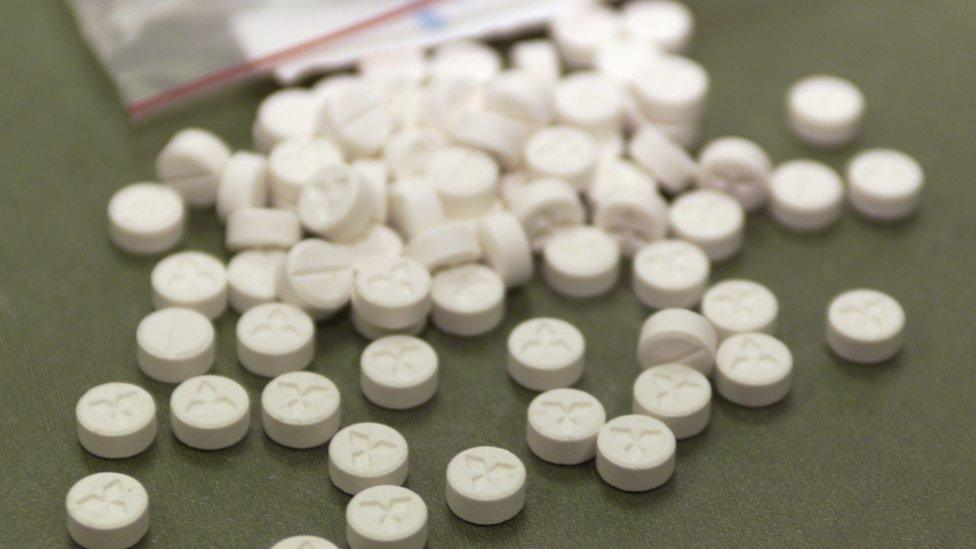
In a development that would have sounded improbable just a decade ago, the U.S. Department of Defense is helping fund research into MDMA-assisted therapy as a potential treatment for post-traumatic stress disorder. Once relegated to counterculture cautionary tales and nightclub lore, the psychoactive compound commonly known as ecstasy is now the subject of serious federal interest, particularly for its potential to aid service members and veterans struggling with trauma.
The Defense Department’s involvement reflects a growing recognition that conventional PTSD treatments, including selective serotonin reuptake inhibitors and standard talk therapy, do not work for everyone. For many veterans, symptoms such as hypervigilance, emotional numbing, and intrusive memories persist despite years of care. MDMA-assisted therapy, which combines carefully controlled doses of the drug with structured psychotherapy, is being explored as a way to help patients process traumatic memories without becoming overwhelmed by fear or anxiety.
Researchers believe MDMA’s unique effects on the brain may explain its promise. The compound is known to increase feelings of trust and emotional openness while dampening activity in the brain’s fear center. In a therapeutic setting, this may allow patients to revisit traumatic experiences with less distress and greater psychological flexibility, potentially leading to more durable healing. Early-stage clinical trials have shown encouraging results, including significant symptom reduction in participants with severe, treatment-resistant PTSD.
The Pentagon’s funding does not signal a casual embrace of psychedelics, but rather a cautious, data-driven approach. Studies supported by the Department of Defense are tightly regulated, medically supervised, and focused squarely on clinical outcomes, not recreational use. Officials have emphasized that the goal is to expand the toolbox available to military healthcare providers, particularly as rates of PTSD, depression, and suicide among veterans remain a national concern.
This shift also mirrors a broader change in federal attitudes toward psychedelic research. Substances long stigmatized by decades of drug war rhetoric are being reexamined through a scientific lens, with institutions increasingly willing to separate cultural baggage from clinical potential. MDMA-assisted therapy is currently under review by federal regulators, and if approved, it would mark one of the most significant paradigm shifts in mental health treatment in modern history.
For now, the Department of Defense’s investment sends a clear signal: when it comes to addressing the invisible wounds of war, even unlikely candidates deserve a fair trial. What was once dismissed outright is now being studied as a possible lifeline, suggesting that the future of PTSD treatment may require both scientific rigor and a willingness to challenge old assumptions.
Dabbin-Dad Newsroom