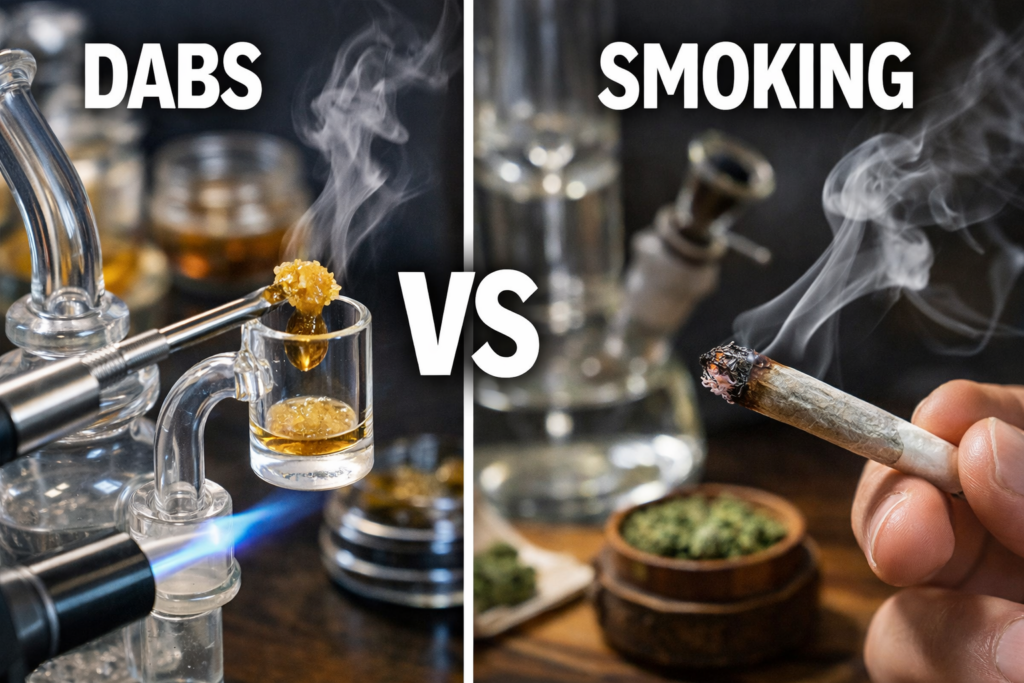
As cannabis consumption continues to evolve, users are increasingly choosing between two primary methods: traditional flower and concentrated extracts. While both deliver the same core compounds, the experience, intensity, and long-term implications can differ significantly. Understanding these differences is key to making an informed decision that aligns with your preferences and goals.
Smoking cannabis refers to the combustion of dried flower using a joint, pipe, or bong. Dabbing, by contrast, involves vaporizing concentrated cannabis extracts—such as wax, shatter, or live resin—on a heated surface, producing an inhalable vapor rather than smoke. This distinction in delivery method shapes nearly every aspect of the experience.
One of the most notable differences lies in potency. Cannabis flower typically contains between 10% and 25% THC, whereas concentrates can range from 60% to 90% THC or higher. As a result, dabbing delivers a far more immediate and intense effect. For experienced users or those with higher tolerance, this can be efficient and effective. However, the intensity also increases the risk of overconsumption, which may lead to discomfort, anxiety, or disorientation—particularly for less experienced individuals. Smoking flower, on the other hand, provides a more gradual onset, making it easier to control dosage and maintain a balanced experience.
Flavor and aroma are also influenced by the method of consumption. Dabbing, especially at lower temperatures, preserves a greater proportion of terpenes—the aromatic compounds responsible for the nuanced flavors and effects of cannabis. This often results in a cleaner, more expressive profile. Smoking, while still enjoyable, involves combustion, which can degrade these compounds and introduce a harsher, more ashy taste.
Health considerations are an important part of the comparison. While neither method can be considered entirely without risk, dabbing avoids many of the byproducts associated with combustion, such as tar and carbon monoxide. This may result in a smoother inhalation experience. However, the high THC concentration in dabs can contribute to increased tolerance over time and may amplify unwanted side effects in some users. Smoking cannabis exposes the lungs to irritants inherent in smoke, which can lead to greater respiratory strain with frequent use.
Practical factors such as convenience and cost also play a role. Smoking flower is straightforward, requiring minimal equipment and offering a familiar, social experience. Dabbing, by contrast, often involves specialized tools such as a torch and rig or an electronic device, along with a higher initial investment. That said, concentrates are typically more efficient, as smaller quantities are needed to achieve the desired effect, and they tend to produce a less persistent odor.
Finally, tolerance and long-term experience should not be overlooked. Regular use of high-potency concentrates can rapidly increase tolerance, potentially diminishing the effects of lower-dose cannabis products over time. Smoking flower generally allows for a more moderate and sustainable pattern of use, which may be preferable for those seeking consistency and control.
In summary, dabbing offers potency, efficiency, and enhanced flavor, making it well-suited for experienced users or those seeking stronger effects. Smoking cannabis, by contrast, provides simplicity, accessibility, and a more measured experience. For many, the most balanced approach may involve incorporating both methods, depending on context and desired outcome.
Dabbin-Dad Newsroom