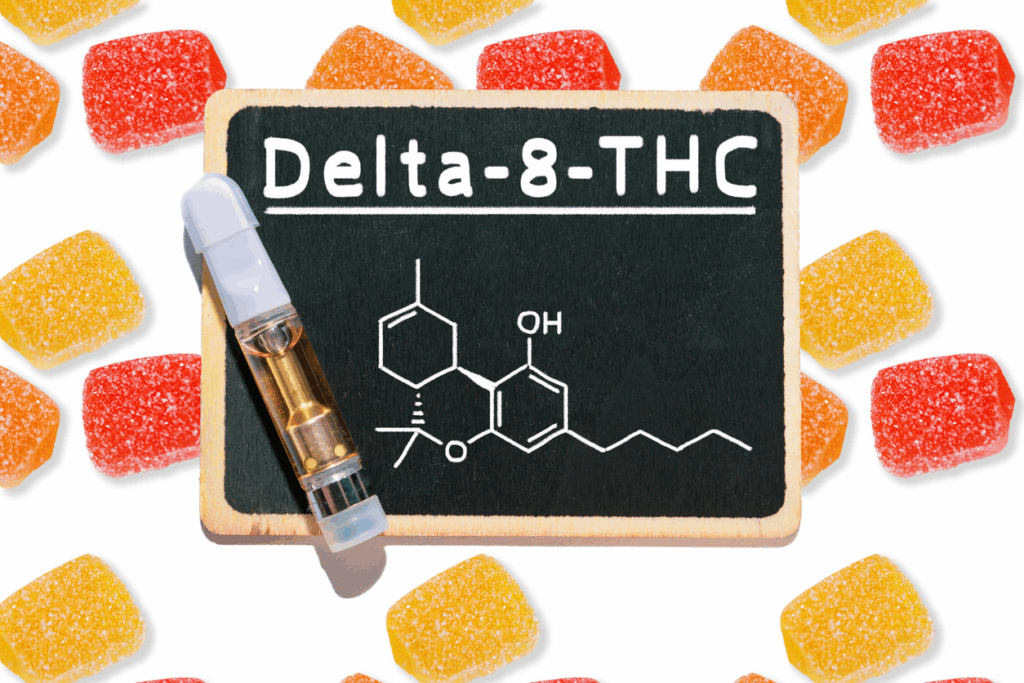
A recent national survey reveals that delta-8 tetrahydrocannabinol (delta-8 THC) usage is significantly more prevalent in U.S. states where marijuana remains prohibited, underscoring a notable shift in consumer behavior toward poorly regulated alternatives.
Key Findings
- Among the 1,523 American adults surveyed, 7.7% report lifetime use of delta-8 THC.
- Usage rates vary dramatically by state marijuana policy:
- In states where both medical and recreational marijuana are prohibited, 10.9% of respondents have used delta-8 THC—nearly double the rate observed in states where adult-use recreational marijuana is legal.
- In states permitting only medical marijuana, the rate stands at 8.5%; in states where adult recreational use is allowed, it drops to 5.5%.
- Regulatory status of delta-8 THC also matters:
- States with no regulation or oversight see a higher prevalence of lifetime use (about 10.5%).
- States that have banned or strictly regulated delta-8 record far lower rates, at 4.5% and 3.9%, respectively.
Policy Implications
Dr. Eric Leas, lead author of the study and assistant professor at UC San Diego, highlighted that when access to traditional marijuana is restricted, consumers tend to turn to alternatives that are more easily and legally available—even if those options are less studied and less regulated. He called this a “classic case of unintended consequences” in policymaking.
Safety and Regulatory Concerns
Delta-8 THC—though derived from hemp and often marketed as a legal substitute for marijuana—is typically synthesized from cannabidiol (CBD) using chemical processes, exploiting a loophole created by the 2018 Farm Bill, which legalized hemp (defined as cannabis with ≤ 0.3% delta-9 THC).
However, unlike regulated marijuana products, delta-8 is frequently sold without oversight, often packaged to resemble snacks or candies. This has led to FDA warnings due to the risk of accidental ingestion—especially among children—and lack of safety and labeling standards.
What Comes Next
The study’s authors recommend:
- Establishing consistent federal standards for delta-8 THC to close regulatory gaps.
- Conducting more research on who uses delta-8, their motivations, and the health outcomes associated with use.
Additionally, lawmakers, particularly those drafting the upcoming 2025 Farm Bill, are being urged to address the hemp loophole to prevent unsafe products from proliferating.
Summary Table
| Factor | Observation |
|---|---|
| Delta-8 THC usage prevalence | ~10.9% in marijuana-illegal states; ~5.5% in recreational states |
| Effect of regulation | Higher use (10.5%) where unregulated; much lower (3.9–4.5%) where regulated or banned |
| Policy insight | Restrictive laws may drive consumers to poorly regulated alternatives |
| Health and safety concerns | Limited oversight raises risks, especially for children |
| Policy recommendations | Federal regulation, further research, and updated farm bill needed |
This research highlights a growing challenge for public health—restrictive cannabis policies may unintentionally fuel demand for unregulated substitutes like delta-8 THC, compromising safety and oversight. Closing these loopholes and extending robust regulation could help mitigate these risks.
Dabbin-Dad Newsroom