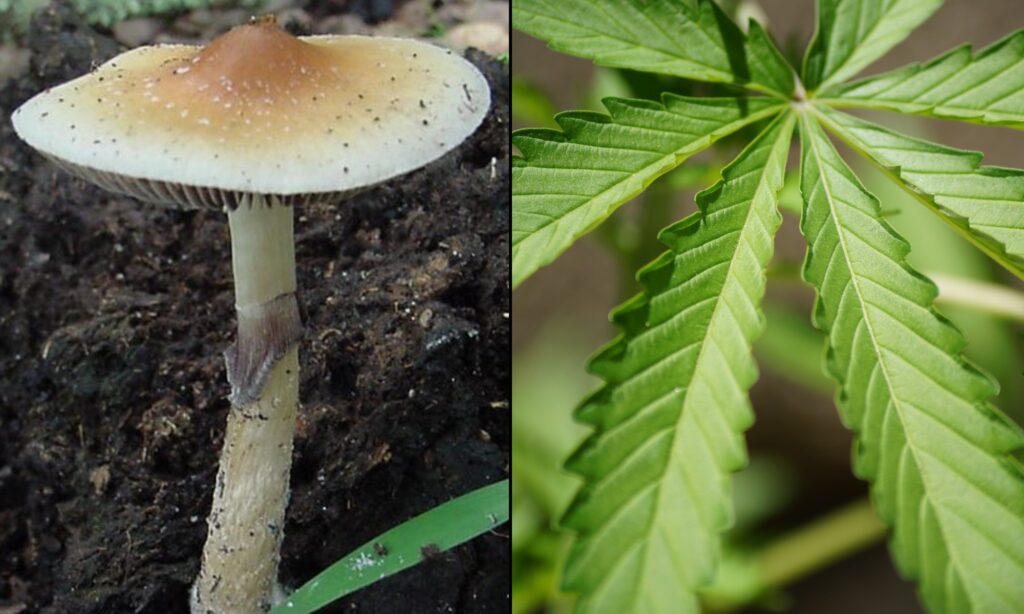
The shock value of the headline makes complete sense—the notion of resting inside a box made of living fungus and hemp sounds like something out of science fiction. Behind the bizarre premise, however, lies an ingenious shift in how we think about the end of life. Developed by the Dutch startup Loop Biotech and dubbed the “Living Cocoon,” this burial container completely bypasses the traditional funeral industry’s reliance on varnished hardwoods, metal hinges, and chemical embalming. Instead of cutting down mature trees, the creators literally grow each casket over the course of just seven days by culturing mycelium—the subterranean, fibrous root network of fungi—around recycled hemp fibers inside a mold. Inside, the body rests on a bed of living forest moss, organic cotton, or soft hemp textiles rather than synthetic satin, resulting in an organic vessel that weighs barely sixty-six pounds yet easily supports more than four hundred.
The philosophy here flips conventional burial upside down. Traditional burials are designed to barricade the human body away from the earth, sealing remains inside treated timber or metal vaults that can take decades to decay and ultimately leach synthetic chemicals into the soil. By contrast, the Living Cocoon is designed to dissolve into the ground in roughly forty-five days. Because fungi serve as nature’s most efficient recyclers, the mycelial network actively breaks down organic matter, cleanses toxins, and reduces the natural decomposition process from thirty years down to just one or two. Instead of isolating remains as waste to be preserved, the mushroom casket transforms the body into nutrient-rich compost, giving a person’s final footprint a way to nourish the surrounding soil and directly feed new plant life.
Dabbin-Dad Newsroom