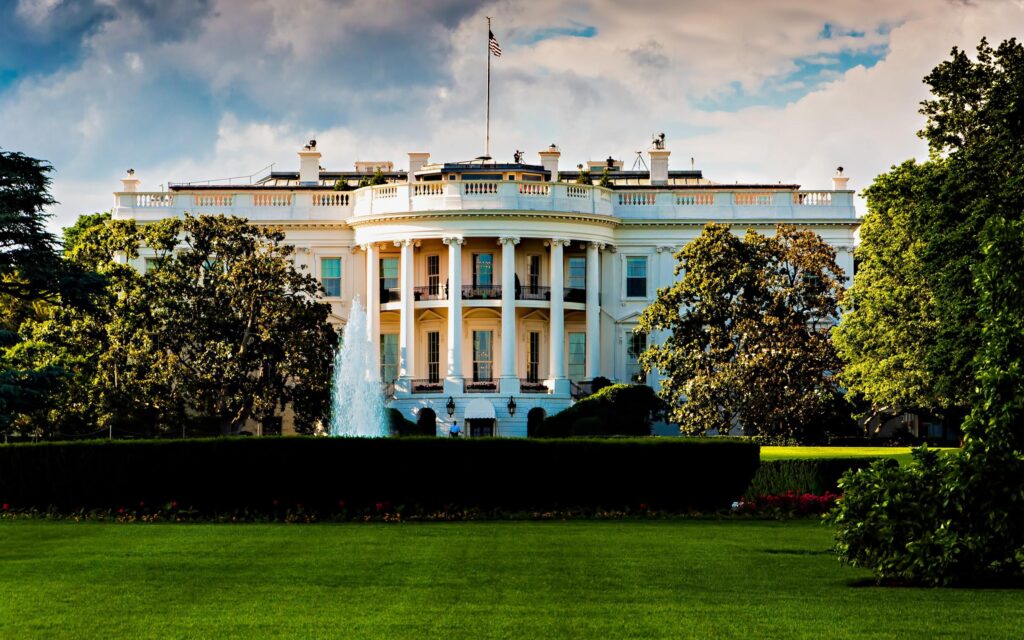
A senior White House official has suggested that marijuana reform could be a strategically advantageous political move, as former President Donald Trump considers whether to move forward with rescheduling cannabis under federal law — a process initiated during the Biden administration.
According to reports, conversations within Trump’s circle indicate that cannabis policy is now being viewed through both a political and practical lens. One unnamed high-ranking official compared the issue’s growing public acceptance to that of same-sex marriage, noting that “it’s good politics.”
Even some of Trump’s more traditionally conservative advisers are said to recognize the political momentum behind reform. While Deputy Chief of Staff for Policy Stephen Miller has reportedly expressed opposition to loosening drug laws, sources claim he understands the shifting public opinion and potential political upside of action on cannabis.
At the center of the discussion is the possible reclassification of marijuana from Schedule I to Schedule III under the Controlled Substances Act. Such a change would not fully legalize cannabis at the federal level but would ease restrictions on research and medical use — while maintaining federal oversight. Political strategists close to Trump argue that this approach strikes a balance between reform and regulation, appealing to moderates without alienating the party’s conservative base.
Personal anecdotes have also reportedly played a role in shaping the former president’s perspective. Individuals familiar with the matter say that older friends of Trump have spoken favorably about cannabis’ effects on sleep and anxiety, which may have influenced his openness to reform.
Timing remains uncertain. Some insiders believe an announcement could come as soon as this year, while others suggest the decision may not occur until closer to the 2025 election cycle. The White House has declined to comment publicly beyond reaffirming that the matter is under review.
Still, opposition within the Republican Party persists. Representative Pete Sessions of Texas has called rescheduling “a huge mistake,” warning that it could undermine U.S. credibility abroad and send the wrong message domestically. Other GOP lawmakers have echoed concerns about weakening traditional law enforcement priorities.
Meanwhile, Trump’s nominee for the Office of National Drug Control Policy has sidestepped questions about her stance on cannabis reform, declining to comment on rescheduling or broader legalization efforts during recent confirmation hearings.
Public opinion, however, continues to shift. Recent polling suggests that support for marijuana reform is strong across most demographics, including many independents and younger Republicans. Still, among frequent cannabis consumers, skepticism remains over whether Trump would follow through with meaningful change.
If rescheduling does occur, it could mark one of the most significant federal shifts on cannabis policy in decades — potentially paving the way for future reforms, including banking and tax measures aimed at legitimizing the growing industry.
For now, the question remains: Will political advantage be enough to move cannabis reform from discussion to reality?
Dabbin-Dad Newsroom