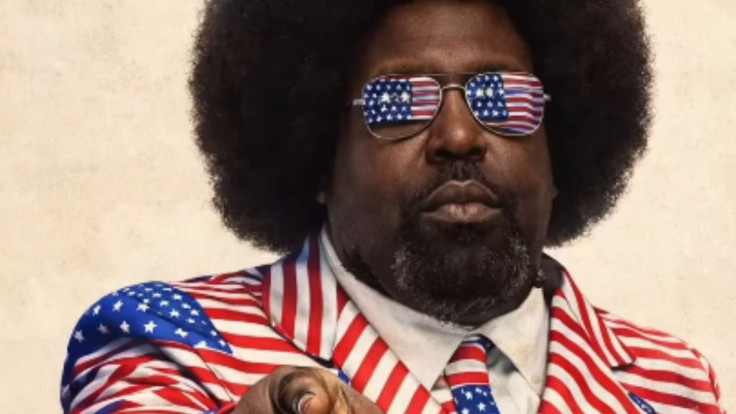
The police kicked in Afroman’s door looking for drugs and a kidnapping victim.
They found neither.
What they did find? A front-row seat in what would become one of the most unexpected clapbacks in cannabis-adjacent culture: a full-blown musical takedown.
Instead of quietly filing complaints or disappearing into legal paperwork, Afroman did what Afroman does—he turned the whole mess into content. Surveillance footage from the raid became music videos. The cops became characters. And tracks like “Lemon Pound Cake” turned a busted door into a viral moment.
Millions watched. The internet laughed. The cops… not so much.
Seven deputies decided to sue, claiming the videos crossed the line—defamation, emotional distress, reputational damage—the whole legal kitchen sink. They wanted nearly $4 million and probably their dignity back while they were at it.
But here’s where it flips.
In court, Afroman didn’t backpedal—he doubled down. His argument was simple: this wasn’t some calculated smear campaign. This was art, satire, and a response to a raid that never should’ve happened in the first place.
And the jury? They weren’t buying the outrage.
Verdict: not liable. Across the board.
Translation: you can’t barge into someone’s house, accidentally star in their music video, and then sue because you didn’t like the edit.
The ruling wasn’t just a win for Afroman—it was a reminder that parody, especially aimed at public officials, still has teeth. Free speech doesn’t get revoked just because it goes viral.
And maybe the real lesson here?
If you don’t want to end up in a diss track… don’t kick down the wrong door.
Because in 2026, the evidence doesn’t just go to court—
it goes to YouTube.
Dabbin-Dad Newsroom