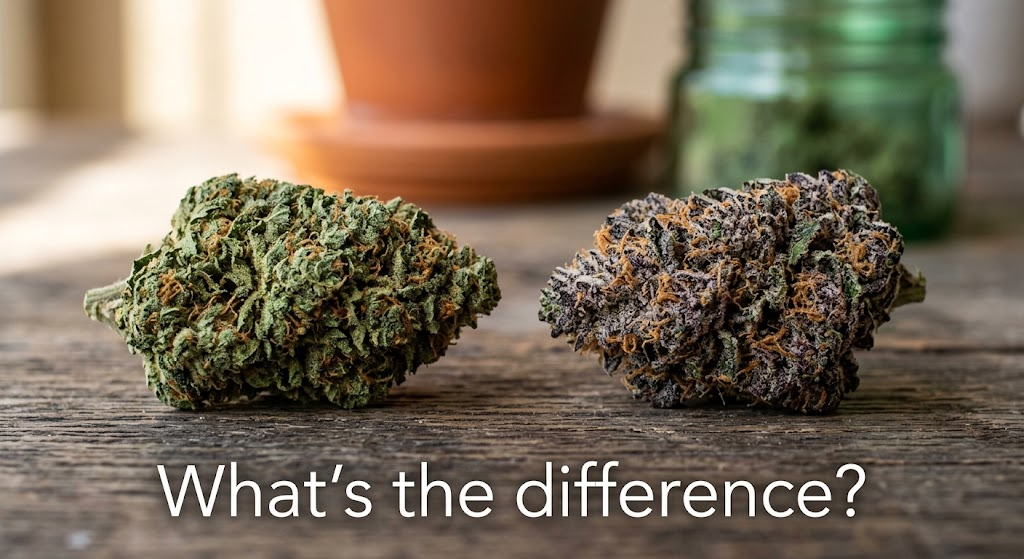
At a botanical level, the ongoing civil war between regulated adult-use cannabis and the hemp-derived sector makes zero sense. Cannabis and hemp are the exact same plant, Cannabis sativa L. Line up a jar of top-shelf dispensary bud next to a federally compliant high-THCA flower, and chemically, visually, and functionally, they are identical. From a pure business and consumer-packaged-goods perspective, joining forces to conquer supply chains, streamline distribution, and leverage unified lobbying power should be the easiest strategic pivot on the board. Yet both sides remain locked in a costly, bitter standoff because they are playing the exact same game under two radically different economic rulebooks.
The bad blood isn’t cultural—it’s structural. State-licensed operators spent millions of dollars securing limited licenses, building hyper-redundant cultivation footprints in every isolated state market, paying astronomical compliance fees, and getting crushed by Section 280E federal taxes that strip away standard business deductions. To those operators, watching the hemp industry leverage the 2018 Farm Bill to ship psychoactive cannabinoids across state lines, accept credit cards, sell through mainstream grocery aisles, and bypass dispensary gatekeepers felt like watching a competitor run the race on a motorcycle while they were forced to run it in concrete boots.
Naturally, the instinct for many licensed multi-state operators was protectionism. Having invested heavily to build moats around state-sanctioned monopolies, opening the floodgates to nationwide interstate commerce threatens the artificial scarcity keeping their valuations afloat. Meanwhile, the hemp side fiercely defends its open-market access, resisting the heavy-handed regulations, high excise taxes, and bottlenecked retail rules that have made state-licensed cannabis so expensive to scale. Because the two sectors are governed by entirely separate regulatory regimes—state cannabis control boards on one hand, and the USDA and FDA on the other—companies cannot simply merge operations without risking severe legal blowback from their state regulators.
The tragic irony is that this infighting only benefits the illicit market and traditional vice industries that would love nothing more than to see the plant stay divided and politically weak. Hemp brands have mastered the CPG playbook, mainstream shelf placement, and direct-to-consumer digital commerce, while licensed cannabis has perfected elite cultivation, clean manufacturing standards, and connoisseur branding. The friction isn’t proof that the market should stay divided; it is proof that broken prohibition created a dysfunctional economic border. The eventual survival of both industries depends on abandoning protectionist turf wars and realizing that when the dust settles, a single, federally unified cannabinoid market is the only outcome where everyone actually wins.
Dabbin-Dad Newsroom