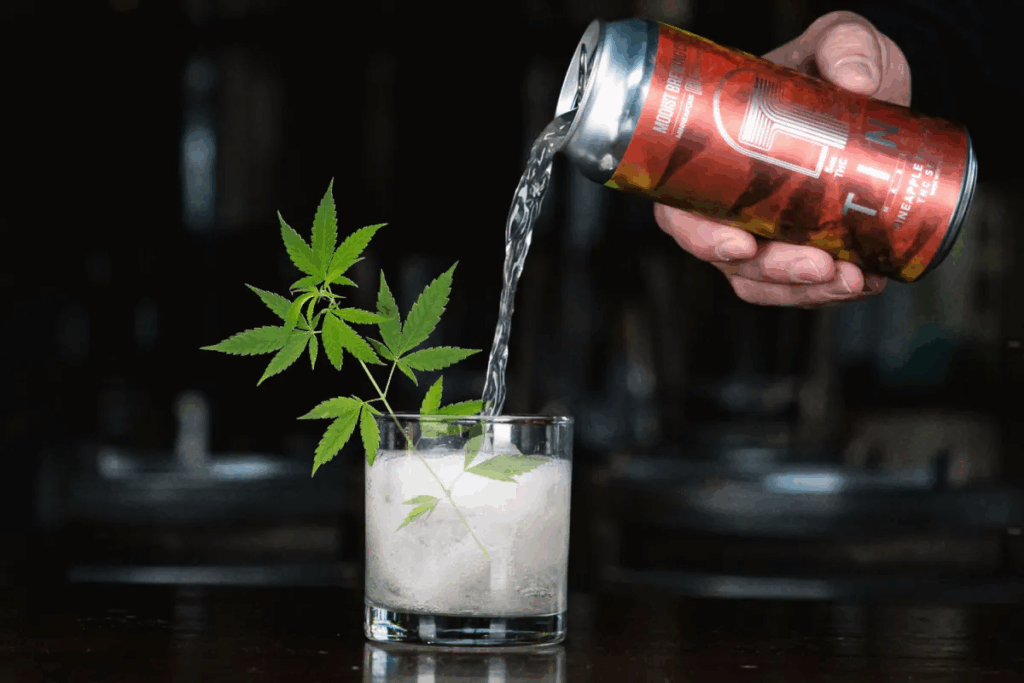
In the smoky haze of Washington policy, you’d be forgiven for thinking that when the 2018 Agriculture Improvement Act—better known as the Farm Bill—legalized hemp, the wild west of intoxicating hemp-derived products was just an accident. But according to Steve Bevan, one of the architects of that legislation, it was on purpose. “We specifically added language about ‘extracts, derivatives, and cannabinoids’ to the definition of hemp,” he told congressional leaders, and that wasn’t a drafting flub—it was intentional.
Farmers, Futures, and the Big Gamble
Bevan and his colleagues working with then-Senate Majority Leader Mitch McConnell had a vision: to give American farmers a new crop to believe in. Not just rope and textiles, but cannabinoids, derivatives, and extracts—the real economic engine of hemp. They knew exactly what they were doing. The goal was to open the door for American agriculture to step into the cannabinoid future.
When the regulators—especially the FDA—stood silent, the industry didn’t wait. Entrepreneurs and chemists filled the vacuum, creating a booming new market for hemp-derived THC products and a haze of innovation that swept across gas stations, vape shops, and wellness boutiques nationwide.
The Backlash: Ban or Regulate?
Now, that experimental frontier has turned into a political battlefield. A coalition of state attorneys general wants intoxicating hemp products banned outright, calling them dangerous and too easily available to kids. On the other side are industry leaders who argue that prohibition will only drive sales underground, undoing years of progress and leaving consumers unprotected.
“Millions of Americans have made their choice,” Bevan said. “They want these products. They deserve safe, regulated access—not criminalization.”
The Stakes: Tax Revenue, Big Alcohol, and the Future
The fight isn’t just about cannabinoids—it’s about money, power, and market share. Beverage giants and alcohol lobbyists are lining up against hemp-derived THC drinks, seeing them as a threat to their dominance. States that have legalized marijuana, meanwhile, are wary of losing tax revenue to an unregulated hemp market that competes on price and accessibility.
As Bevan put it: “Think about that. Your state’s top law enforcement official wants to criminalize products that millions of adults use—not because they’re dangerous, but because they’re cutting into state tax revenue.”
The Choice Ahead: Regulation or Repeat the Past
Congress now faces two paths. One: ban intoxicating hemp products and reignite a version of prohibition. Two: embrace regulation—establish age restrictions, safety standards, and labeling requirements that bring legitimacy to the industry while protecting consumers.
Bevan argues for regulation, not restriction. A structured transition, he says, would support businesses, maintain safety, and continue the progress the Farm Bill set in motion.
If lawmakers choose the first path, they’ll be walking backward into familiar territory—where fear, not foresight, drives policy. But if they choose regulation, they might just usher in the next great American cash crop renaissance.
Because the truth is, it was never a loophole. It was a revolution hiding in plain sight.
Dabbin-Dad Newsroom